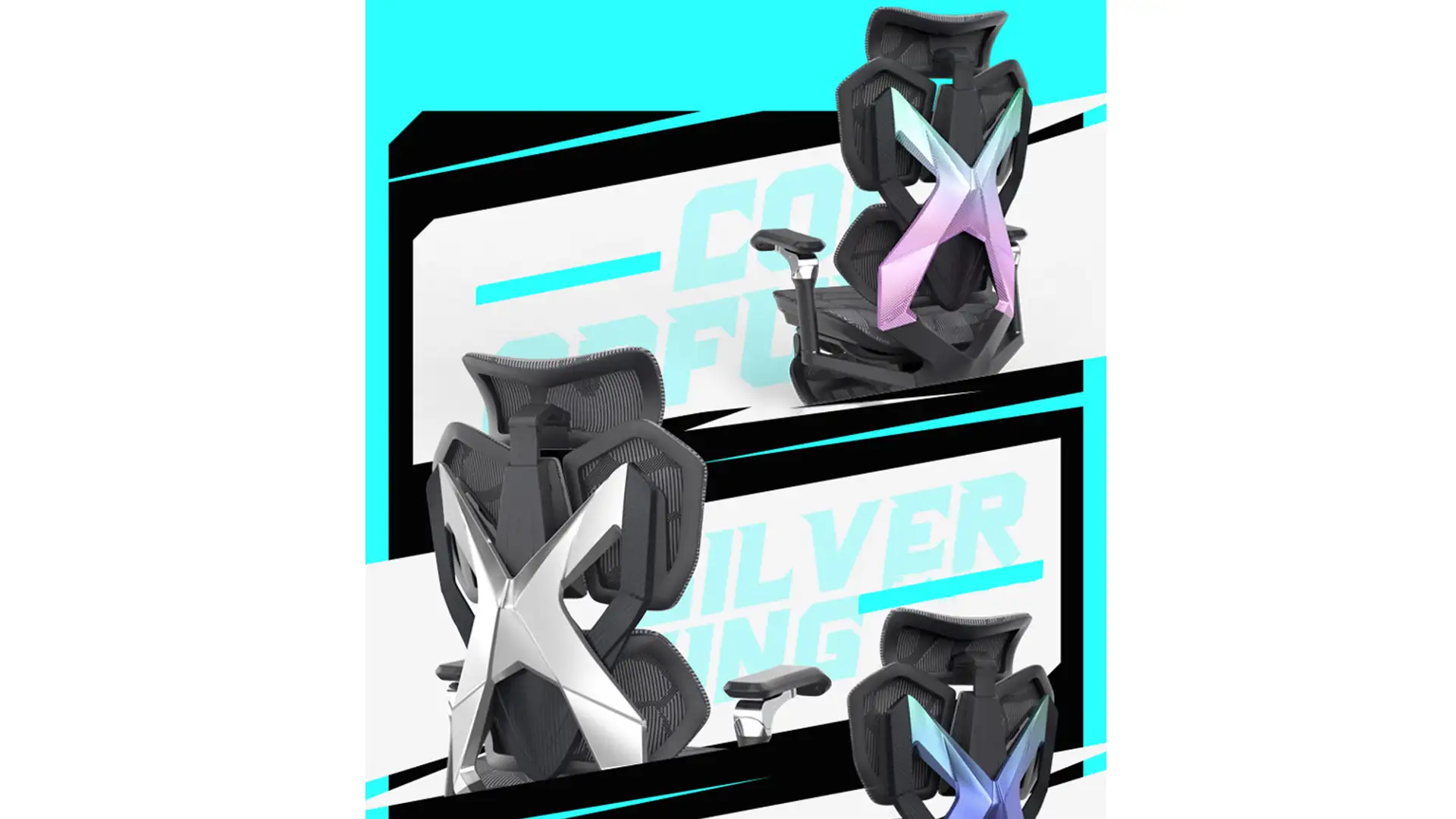
In recent years, as esports has exploded in popularity and remote work has become the norm, gaming chairs have rapidly moved from professional arenas into living rooms worldwide. Online marketplaces are flooded with bestsellers boasting “ergonomic design,” “lumbar and neck support,” and “all-day comfort.” Yet a puzzling trend persists: many users report persistent lower back pain, stiff shoulders, and numb thighs—even after investing in chairs labeled as “ergonomic.”
So, where’s the disconnect? The answer lies in the widespread misuse of the term “ergonomic.” In marketing speak, it’s become a catch-all label rather than a rigorously defined, science-backed standard. A truly ergonomic gaming chair must be grounded in biomechanics—not just flashy RGB lights and tall backrests.
In reality, ergonomics is an interdisciplinary science that blends biomechanics, anatomy, human factors engineering, occupational health, and product design. Its core mission is to optimize the interaction between people and their work environments—maximizing comfort, efficiency, and long-term health. International standards like ISO 9241 clearly state that an ergonomic chair must support the spine’s natural curvature, allow dynamic posture adjustments, minimize static load, and adapt to individual body types and task requirements.
Yet most gaming chairs on the market merely mimic superficial features of real ergonomic chairs—like high backrests, detachable lumbar pillows, and adjustable armrests—while ignoring the dynamic support mechanisms, material durability, and personalized fit that truly matter. This “look-alike but functionally hollow” approach doesn’t just fail to deliver comfort—it can actively worsen spinal strain by encouraging poor posture.
Many buyers assume that a tall backrest paired with a foam lumbar pillow automatically equals “back protection.” But in ergonomics, this static approach is precisely the problem.
Healthy sitting hinges on preserving the spine’s natural lumbar lordosis—the gentle inward curve of the lower back. Biomechanical research shows that in a seated position, the ideal lumbar curve should measure between 30° and 45°. This curvature helps distribute disc pressure evenly and prevents nerve compression.
Unfortunately, most gaming chairs come with a fixed-position foam lumbar pad that doesn’t move with your body. When you recline, your lumbar spine shifts—but the pillow stays put, leaving you unsupported. Worse, the exaggerated high back often forces you into a deep recline that tilts your pelvis backward, flattening the lumbar curve and increasing disc pressure.
True support comes from a lumbar support gaming chair with dynamic adjustment—like the SIHOO S300, which uses a linked-motion backrest system that automatically pushes the lumbar support forward as you lean back, maintaining optimal spinal alignment throughout movement. This is far more effective than a static foam pad and aligns with what a genuine ergonomic chair for gaming should deliver.
If you’re struggling with gaming chair back pain, the culprit may be a lack of dynamic support. For those with chronic lower back issues, the best chair for back pain prioritizes adaptive lumbar support, seat depth adjustability, and pelvic stability—not just aesthetics.
Gaming chairs often borrow their aggressive look from racing seats—complete with pronounced side bolsters and bold contours. But race car seats are engineered for short bursts of high-speed driving, where restricting body movement is essential. In contrast, gaming or office work demands frequent micro-adjustments to relieve muscle fatigue and maintain circulation.
Overly wide side bolsters can trap your arms, forcing your shoulders to hike up and compressing the ulnar nerve—leading to tingling or stiffness.
ISO 9241-5 explicitly emphasizes that supporting dynamic posture changes is more important than static containment. Real ergonomics encourages “micro-movements” to keep blood flowing and muscles engaged.
This explains why many users are now asking: “Gaming chair vs. office chair—which is better for daily use?” For hybrid users who game and work from home, an office chair for gaming is gaining traction—it blends subtle gaming aesthetics with proven ergonomic functionality. And when it comes to relief from discomfort, the best chair for back pain is rarely the flashiest one, but the one that truly adapts to your body.
Many gaming chairs claim “full adjustability,” but closer inspection reveals critical gaps:
A truly adjustable gaming chair offers multi-axis control. Take the SIHOO M77C, for example: its armrests adjust vertically, horizontally, e rotate—meeting near-professional ergonomic standards. Without this flexibility, even a gaming chair with armrests can leave your elbows dangling or pressing into the desk, straining your neck and shoulders.
For those with back issues, seat depth adjustment is non-negotiable. A seat that’s too deep forces your feet off the ground, tilts your pelvis backward, and completely undermines even the best lumbar support chair.
PU leather—common on budget gaming chairs—breathes poorly, traps heat, and cracks within 1–2 years, especially in humid climates. It’s a comfort killer during extended use.
Seat cushions are another weak point. Most use basic high-resilience foam that flattens over time, losing support under the sit bones (ischial tuberosities). And without a waterfall seat edge—a gently sloping front that relieves pressure on the thighs—blood flow to the legs can be restricted, causing numbness.
Smart choice for long sessions: breathable mesh back + high-density molded foam seat. The SIHOO X5, for instance, combines full mesh backing with a supportive, durable seat—making it a standout mesh gaming chair and one of the few truly breathable gaming chairs on the market.
If you sit more than 6 hours a day, a mesh back gaming chair isn’t just cooler—it significantly reduces skin irritation and heat buildup. For back pain sufferers, the best chair for back pain also means materials that hold up over time without sagging or degrading.
Most gaming chairs are modeled after average North American male proportions—resulting in seats that are too deep and backrests that are too tall for many Asian users, women, or teens. Common issues include dangling feet, headrests hitting the mid-back instead of the neck, and pressure on the hips.
This isn’t just uncomfortable—it’s risky. When your feet don’t touch the ground, your pelvis tilts backward, increasing lumbar disc pressure by up to 30% (per NIOSH data).
Solutions:
For example, SIHOO clearly labels recommended height ranges for certain models, catering to both tall and petite users. If you fall outside the “average” range, don’t blindly follow “best gaming chair 2025” lists—prioritize fit over hype.
And if you feel soreness in your hips or outer thighs, consider a chair for hip pain with a wider, softer seat pan. This is an often-overlooked aspect of the best chair for back pain ecosystem.
Core principles (per ISO/ANSI/BIFMA standards):
Key distinction:
But the lines are blurring. Forward-thinking brands are now integrating real ergonomic tech into gaming designs. The SIHOO X5, for instance, keeps the aggressive gamer look while adding dynamic lumbar support, breathable mesh, and multi-axis adjustability—making it a rare hybrid: an ergonomic gaming chair that genuinely earns the title and moves closer to being the best chair for back pain.
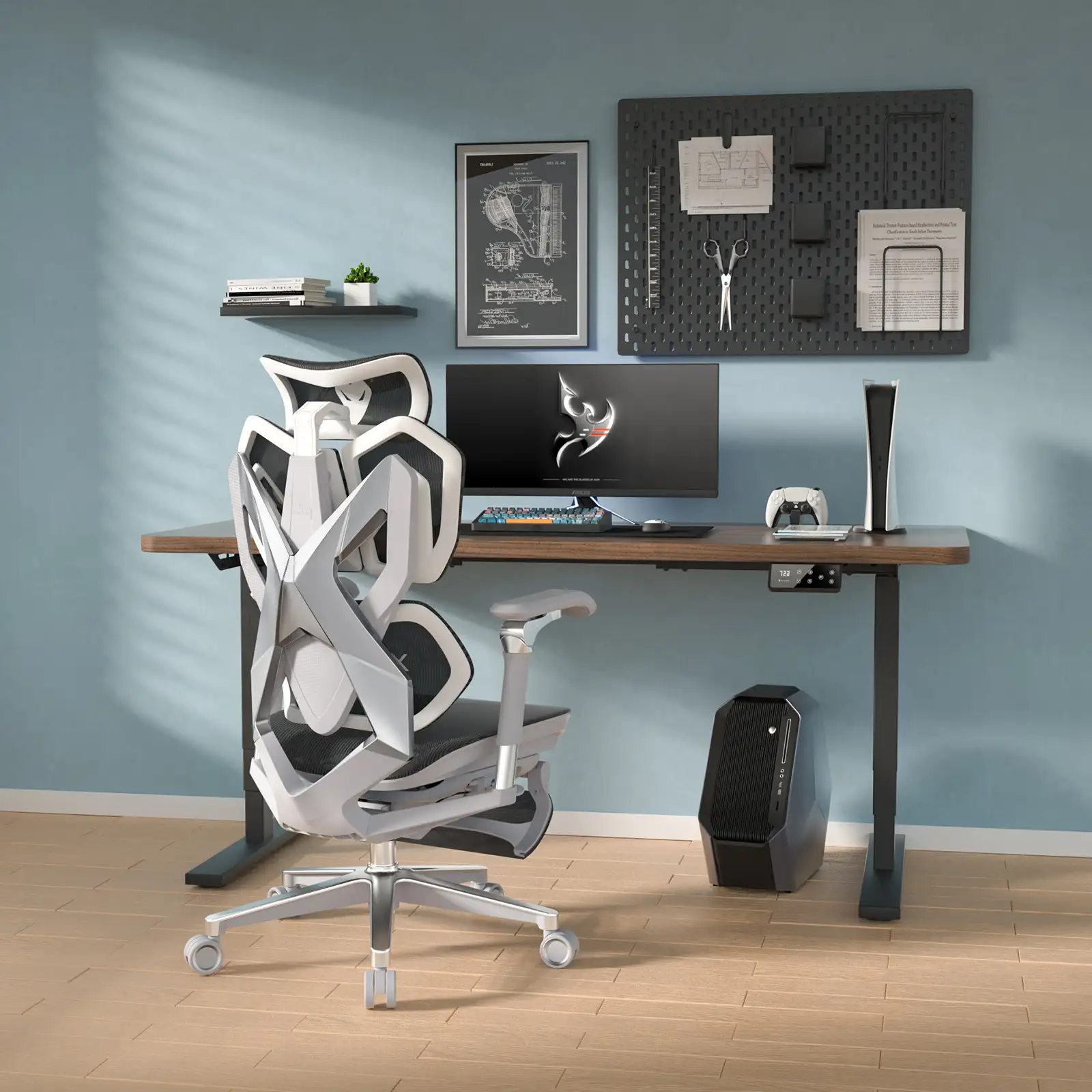
If you love the gaming aesthetic:
If health and productivity come first:
Universal tips:
Also: a gaming chair with headrest isn’t universally helpful. If the headrest is too high, it can push your chin down and strain your cervical spine. Opt for height-adjustable headrests that support the upper neck (C1–C2 vertebrae).
For remote workers, a gaming chair for work should prioritize breathable materials and functional armrests—not just looks.
How to choose a gaming chair? Stick to three rules:
And don’t be fooled by the “premium” look of a PU leather gaming chair—in hot, humid environments, it’s often the enemy of comfort.
Remember: “Ergonomic” isn’t an adjective—it’s a measurable standard. Focus on real support mechanics, material longevity, and personal fit—not marketing fluff.
From chair for back support to ergonomic chair for gaming, user priorities are shifting from “looks pro” to “feels healthy.” And for anyone dealing with pain, the search for the best chair for back pain shouldn’t stop at genre labels. It should start—and end—with science-backed support that moves with you, not against you.