If you notice back pain after sitting for hours, you are not alone. Many people feel aches in their lower back or neck after a long day at a desk. In fact, recent surveys indicate that approximately 70% of office workers experienced musculoskeletal pain in the past week, and 38.6% reported low back pain. Sitting puts pressure on your spine and muscles, which can lead to discomfort. The good news? Ergonomic solutions, such as a well-designed chair, can make a significant difference in how you feel.
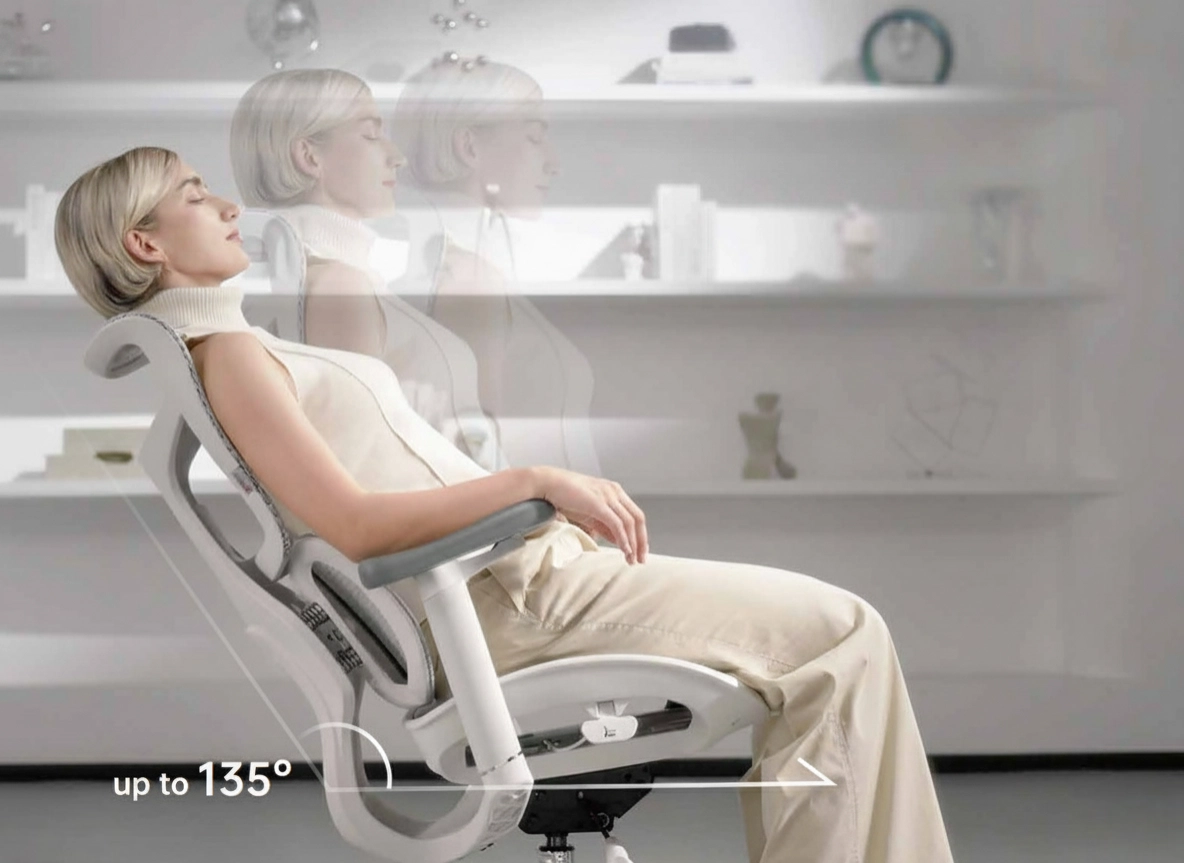
You might think sitting is harmless, but your body feels the impact quickly. When you stay in one position for hours, your muscles start to weaken. Your postural muscles, which help keep you upright, lose strength. This makes it easier for you to get injured or feel pain. Sitting for long periods also puts extra stress on your spinal discs. Over time, this can lead to bulging discs or other problems that cause back pain.
Even if you exercise regularly, sitting for extended periods can still strain your spine. Experts say movement is key. Your body needs to shift and stretch to maintain healthy blood flow and tissue health.
Here are some ways prolonged sitting affects your lower back:
Your spine is designed to move. When you sit for too long, you force your body into a fixed position. This can cause muscle imbalances. Some muscles get tight, while others become weak. You may notice soreness in your lower back or neck. The pressure from sitting can also compress nerves, leading to tingling or numbness.
Back pain often starts as a dull ache. If you ignore it, the pain can get worse. You may experience sharp pain when standing up or moving. Over time, poor sitting habits can change the shape of your spine. You may develop a slouched posture, which puts even more strain on your back.
Try to stand up and stretch every hour. Small movements help keep your spine healthy and reduce your risk of back pain.
You probably slouch sometimes without even noticing. Maybe you lean forward to see your screen or cross your legs for comfort. These habits can put your spine in awkward positions. Over time, your muscles have to work harder to support you. This extra effort leads to muscle strain. You might feel tightness in your shoulders or a dull ache in your lower back. If you continue to sit in this position, your body will start to remember the bad posture, making it harder to sit up straight later.
Try to keep your feet flat on the floor and your back against the chair. Good posture helps your muscles relax and reduces the risk of back pain.
Your spine has discs that act like cushions between the bones. When you sit for a long time, these discs get squeezed. Too much pressure can cause them to bulge or even press on nearby nerves. You might notice pain that travels down your leg or a tingling feeling. This happens because the nerves in your back send signals to other parts of your body. If you ignore these signs, the pain can get worse and last longer.
Signs of nerve issues: – Sharp or shooting pain – Numbness or tingling – Weakness in your legs
Sitting for hours can cause some muscles to become tight and others to become weak. Your hip flexors and chest muscles get shorter, while your glutes and back muscles lose strength. This imbalance pulls your body out of alignment. You may start to notice back pain, especially when you stand up or walk. Stretching and moving often can help keep your muscles balanced and your spine healthy.
You might wonder if your back pain is just a minor ache or something more serious. Mild pain often feels like a dull soreness or stiffness. You may notice it when you stand up after sitting for a while. This type of pain typically subsides with movement or gentle stretching. You can often manage mild discomfort at home with simple adjustments, such as adjusting your chair or taking short breaks.
Serious pain feels different. It can be sharp, stabbing, or even burning. Sometimes, the pain spreads down your leg or causes numbness in your leg. You may feel weak or experience difficulty moving. These signs mean your body needs more attention.
Here’s a quick way to compare:
| Mild Pain | Serious Pain |
|---|---|
| Dull ache or stiffness | Sharp, stabbing, or burning |
| Goes away with movement | Lasts for days or gets worse |
| No numbness or weakness | Numbness, tingling, or weakness |
If your pain wakes you up at night or keeps you from doing daily tasks, it’s time to pay attention.
You don’t have to live with back pain. If your pain lasts more than a week, worsens, or is accompanied by other symptoms such as fever or weight loss, you should consult a doctor. You should also get help if you feel numbness, tingling, or weakness in your legs. These could be signs of nerve problems.
Don’t ignore pain that keeps you from walking, working, or sleeping. Your health matters. A healthcare provider can help you identify the cause and recommend the appropriate treatment.
Listen to your body. Early action can prevent bigger problems later.

You may wonder how to improve your posture and alleviate back pain that bothers you daily. The answer often starts with your chair. Sihoo chairs, like the C300, S300, and X5, are designed to help you sit in a way that supports your body. When you use a chair with ergonomic features, you set yourself up for better posture and less discomfort.
Let’s look at how comfort features in Sihoo chairs support your spine and body:
| __OPENROUTER_FAILED__ | Fayda |
|---|---|
| Ergonomic Design | Supports healthy body posture |
| Adjustable Lumbar | Reduces strain on the lower back |
| Customizable Armrests | Enhances comfort during long sitting periods |
| Headrests | Provides neck support, reducing tension |
You can adjust the lumbar support to fit the curve of your back. The armrests move in different directions, so your shoulders can relax. The headrest keeps your neck in a natural position. These features make it easier for you to sit upright and avoid slouching.
Here’s how you can use your Sihoo chair for posture correction:
Take a moment each day to check your sitting position. Small adjustments can make a big difference in how you feel.
You don’t have to settle for a stiff, uncomfortable chair. Sihoo’s dynamic lumbar support adapts to your movements, providing your back with the support it needs throughout the day. The S300’s floating-wing lumbar support and the C300’s Domino Dynamic Lumbar Support move with you, so you stay comfortable whether you’re working, gaming, or relaxing.
When you sit in a chair that supports your spine, you reduce the risk of back pain. You also feel less tired and more focused. Here’s what happens when you use ergonomic chairs in your workspace:
Sihoo chairs use advanced materials and smart weight-sensing mechanisms. The X5, for example, has a 3-zone elastic backrest and C-type adjustable lumbar support. These features help you stay comfortable, even during long hours at your desk.
When your chair supports your body, you can focus more effectively and accomplish more. Comfort leads to productivity.
Even the best chair can’t do all the work for you. To maintain a healthy back, it’s essential to develop healthy habits. Occupational health experts say that no posture is healthy if you hold it for too long. You should move and change positions often. Dynamic sitting helps your muscles stay active and reduces stress on your spine.
Try these habits to protect your back:
Workstations should fit your needs. Sihoo chairs let you adjust almost every part, so you can find what feels best. Ergonomic interventions, such as using a well-designed chair and learning proper sitting posture, can help you avoid back pain and stay comfortable.
Here’s how ergonomic interventions affect your work life:
| Evidence Type | Açıklama |
|---|---|
| Ergonomic Interventions | Improve the quality of the work environment and help prevent/control musculoskeletal symptoms. |
| Impact on Absenteeism | May reduce frequency of absenteeism and medical leave. |
| Employee Wellbeing | Enhances overall employee wellbeing, leading to decreased absenteeism. |
Listen to your body. If you feel discomfort, change your position or take a break. Your back will thank you.
By choosing a Sihoo ergonomic chair and practicing healthy sitting habits, you can take control of your comfort and productivity. You don’t have to let back pain slow you down. Make small changes, use the right tools, and enjoy a healthier way to work and live.
You face back pain after sitting for long hours because of several reasons:
Ergonomic solutions, especially Sihoo chairs, help you sit more comfortably and experience less pain. These chairs support your posture and reduce discomfort more effectively than other interventions. If pain persists or worsens, consult a doctor. Take charge of your back health—sit well, think better, and enjoy every day with comfort.