Günümüz iş ortamlarında; uzun süreli masa başı görevlerinin yaygın olduğu bir yerde, gerçekten rahat, ergonomik bir fileli ofis koltuğu, sadece “oturmanıza izin veren” basit bir araç değildir. Sağlığı desteklemek, verimliliği artırmak ve yorgunluğu azaltmak için gerekli bir ekipman haline gelmiştir.
Pazar, temel fileli ofis koltuklarından premium tam fileli ofis koltuklarına ve yüksek sırtlı fileli ofis koltuklarına kadar yüzlerce ila on binlerce RMB arasında değişen fiyatlarla geniş bir seçenek yelpazesi sunmaktadır. Ancak bir koltuğu “oturdukça daha rahat” hale getiren şeyin, gözle anlaşılamayan üç kritik teknik parametre olduğu gerçeğini belirleyendir: malzeme yoğunluğu, gerilim yapısı ve bel senkronizasyon mekanizması.
Bu durum, özellikle 300 lbs kapasiteli bel desteği olan bir file ofis koltuğu arayan kullanıcılar veya başlığı ayarlanabilir file ofis koltuğu tercih eden ileri düzey kullanıcılar için geçerlidir. Bu üç parametre, uzun vadeli kullanım deneyimini doğrudan belirler.
Bu makale, file sırtlı bir ofis koltuğunun veya file oturaklı file bir ofis koltuğunun bu üç boyutta nasıl performans gösterdiğini gözlem, fiziksel deneme ve özellik analizi yoluyla belirlemenizi sağlamak için uygulamalı, kullanıcı testi bakış açısını benimser.
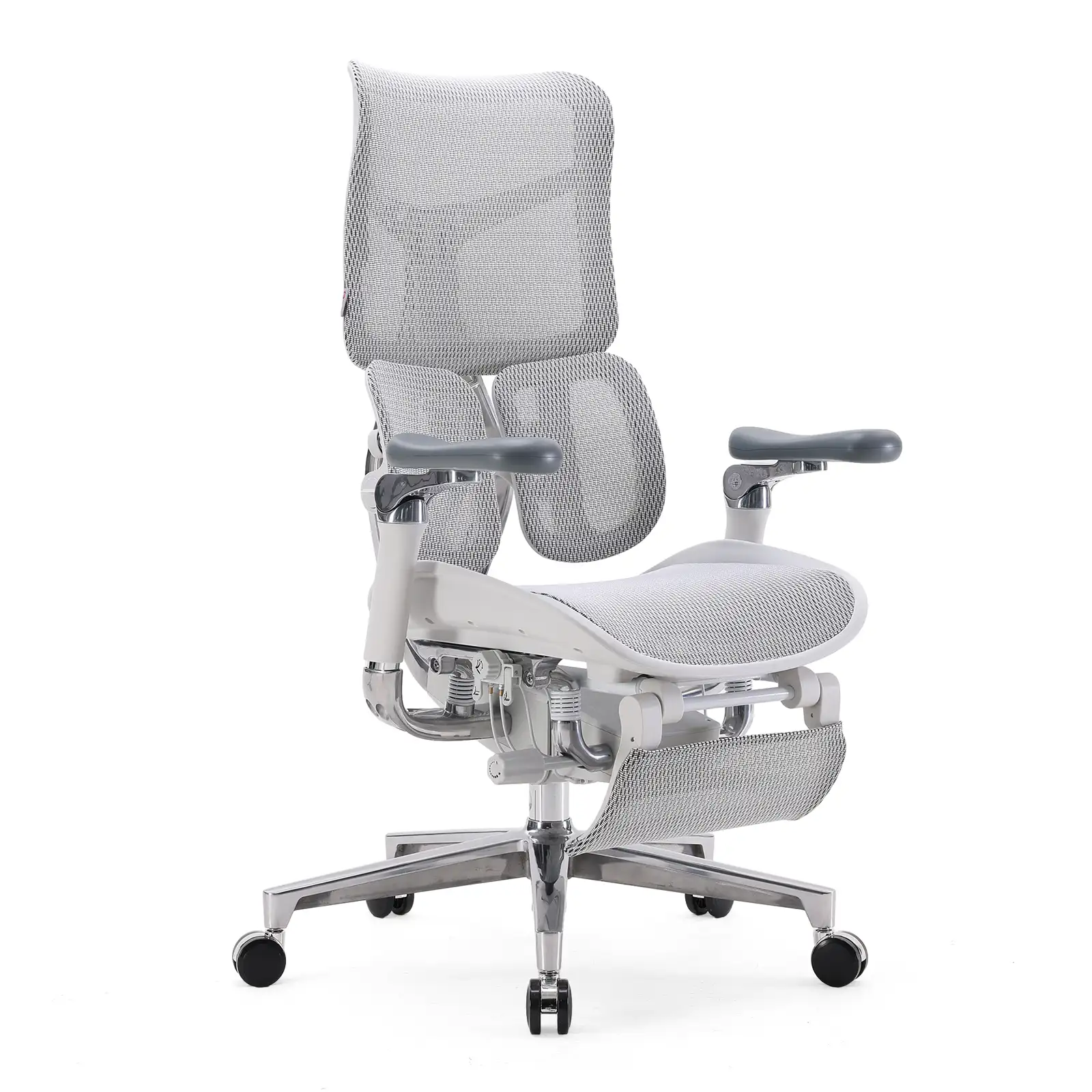
“Fileto = nefes alabilir” yaygın olarak kabul edilmektedir. Ancak, “fileto = dayanıklı” dikkatli bir değerlendirme gerektirir. Birçok kullanıcı, uzun süreli kullanımdan sonra sandalyelerinde gevşeyen koltuklar, gevşek sırtlıklar veya azalan destek gibi sorunlar yaşadığını bildirmektedir - bu sorunlar genellikle yetersiz malzeme yoğunluğundan kaynaklanmaktadır.
Malzeme yoğunluğu, ağ kumaşın birim alandaki dokuma sıklığı ve iplik kalınlığı anlamına gelir. Daha yüksek yoğunluk, deformasyona karşı direnci artırır ve uzun süreli baskı altında gevşeme olasılığını azaltır. Düşük yoğunluklu ağ başlangıçta yumuşak hissedilebilir ancak yapısal destek sağlayamaz, bu da zamanla rahatsızlığa yol açabilir.
1. Ürün Açıklaması Anahtar Kelimelerini Gözden Geçirin
“Yüksek yoğunluklu file”, “güçlendirilmiş tek parça dökme file” gibi terimlerle açıkça etiketlenmiş ürünleri önceliklendirin. Örneğin, Sihoo DORO S300 serisi uçak sınıfı “yüzen kanat” şok emici koltuk minderi ve uzun süreli konforu artırmak, kalça basıncını dağıtmak için tasarlanmış yüksek yoğunluklu file içerir.
2. Yapısal Telafi Tasarımını Gözlemleyin
3. Mağaza İçi Test İpuçları (Önerilen)
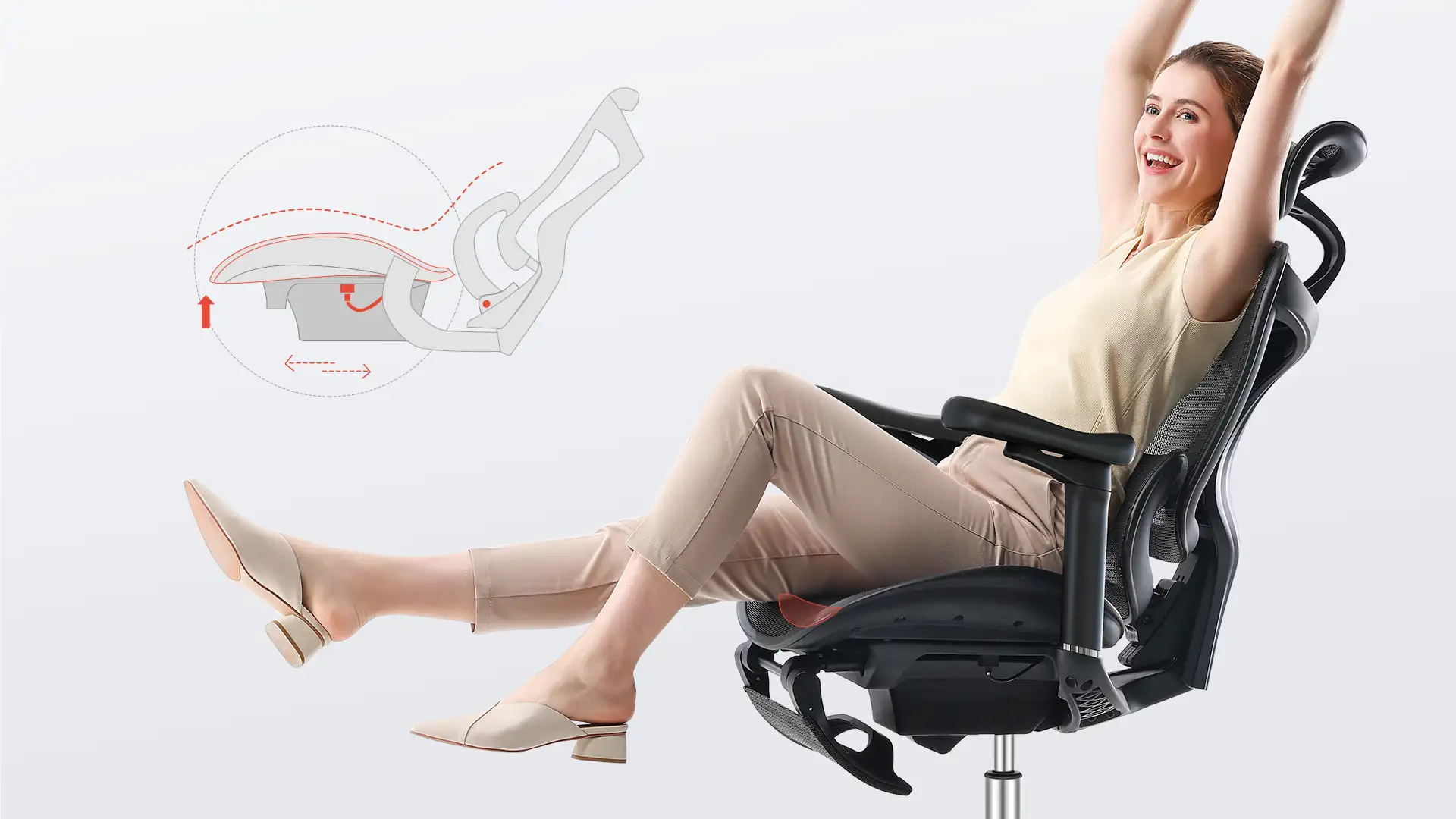
Yüksek performanslı, file sırt ve oturma alanına sahip bir ofis koltuğu, kullanıcının yazmak için öne eğilmesine, düşünmek için arkaya yaslanmasına veya yanlara dönmesine dinamik olarak destek yoğunluğunu ve dağılımını ayarlamalıdır; iyi tasarlanmış bir gerilim yapısının değeri budur.
Gerilim yapısı, ağ ve çerçeve arasındaki bağlantı yöntemini, kuvvet dağılım mekanizmasını ve elastik geri besleme sistemini ifade eder. Üstün bir yapı, bel, sırt ve kalça bölgelerinde farklılaştırılmış basınç tahliyesi sağlayan “bölgeli destek” olanağı sunar.
Bu Sihoo C300 serisi “Doğal omurga eğrisini geriye yaslanırken koruyarak koltuk ve sırt desteği hareketini senkronize etmek üzere tasarlanmış ”Akıllı Domino Dinamik Mekanizması” (tescilli marka teknolojisi) kullanır.".
1. Fonksiyonel Açıklamaları İnceleyin
“Sırt bağlantı sistemi”, “senkronize eğim” veya benzeri terimlere sahip ürünlere öncelik verin. Sihoo V1 serisi 140°'ye kadar geriye yaslanmayı destekler; gerilim sistemi, aşırı açılarda bile eşit destek sağlayacak şekilde tasarlanmıştır - bu, dinlenmek için sık sık geriye yaslanan kullanıcılar için idealdir.
2. Yaslanma Aralığını ve Kilitleme Mekanizmalarını Gözlemleyin
Geniş açılı yatırlma seçeneği sunan, “çok konumlu kilitleme” veya “sonsuz eğim ayarı” özelliklerine sahip ürünler, genellikle gerilim sistemlerinden daha yüksek yapısal stabilite talep eder.
3. Deneme Oturması Sırasında Dinamik Uygunluğu Test Etme

“Bel desteği olması”, “etkili bel koruması sağlamak” anlamına gelmez. Ofis koltukları için kullanılan birçok fileli bel destek sistemi statiktir; kullanıcıların duruşları değiştikçe etkinlikleri azalır. Daha üstün bir çözüm, senkronize veya adaptif bir bel mekanizmasıdır.
Lumbar senkronizasyonu, kullanıcının postüründeki değişikliklere yanıt olarak konumunu ve basınç yoğunluğunu otomatik olarak ayarlayarak bel omurgasına sürekli destek sağlayan bir bel destek sistemini ifade eder. Sihoo S300 serisi, postür değiştikçe kalıcı bir şekillendirme sağlamak üzere tasarlanmış “Ağırlık Algılamalı Bel Desteği” (tescilli marka teknolojisi) özelliğine sahiptir.
1. İnce Ayar Mekanizması Açıklamaları
“Adaptif bel desteği,” “elastik senkronize destek” veya “otomatik uyumlu” gibi terimleri arayın.”
2. Bel Desteği ve Sırt Desteği Arasındaki Bağlantıyı İnceleyin
Senkronize bel destekleri tipik olarak mekanik bağlantı veya yekpare yapısal tasarım aracılığıyla sırtlığa entegre edilir.
3. Test Aşamalarında Kullanım Senaryolarını Simüle Edin
| Karşılaştırma Boyutu | DORO S300 Serisi | DORO C300 Serisi | V1 Serisi | M59 Serisi |
| Ürün Konumlandırma | Premium Amiral Gemisi · Akıllı Ergonomi | Dinamik Adaptasyon · Çoklu Postür Çalışma | Yüksek Sırtlı Eğlence · Maksimum Yatış (yüksek sırt) | Değer Odaklı · Temel Ofis Kullanımı |
| Malzeme ve Oturma Özellikleri | Havacılık Yüzen Kanatlı Darbe Emici Yastık | Şelaleden Esinlenilmiş Koltuk Minderi | Eyer Şekilli Minder | Nefes Alabilen File + Temel Yüksek Yoğunluklu Köpük |
| Gerilim / Yatırma Sistemi | Koltuk Arkası Bağlantı Sistemi | Akıllı Domino Dinamik Mekanizması | 140° Maks. Sırt Yatırma ve Senkronize Eğim | Temel Yatma + 3 Konumlu Kilitleme |
| Bel Desteği | Ağırlık Algılamalı Bel Desteği | Biyonik Adaptif Bel Desteği | 4 Boyutlu Ayarlanabilir Bel Desteği | Yumuşak Esnek Bel Yastığı |
| Koltuk başlığı | Entegre Adaptif Baş Dayanağı | Yüksekliği Ayarlanabilir Başlık | Çok Açılı Ayarlanabilir Başlık (başlıklı) | Opsiyonel Başlık |
| Kol Dayama Ayarı | 6 Eksen Senkronize Mekanik Kol | 6D Fonksiyonel Kol Dayanağı | 4D Alüminyum Kol Dayama (PU Kaplı Kenarlar) | 3B Yukarı/Aşağı Yalnızca |
| Önerilenler | Günde 8 saati aşkın oturan, üstün destek ve akıllı kontürleme arayan profesyoneller | Sık sık pozisyon değiştiren ve dinamik destek talep eden ileri düzey kullanıcılar | Rahatlama, şekerleme yapma veya yüksek sırt desteği isteyen kullanıcılar | Bütçe dostu kullanıcılar, öğrenciler, ev veya temel ofis kullanımı |
Uygun bir ofis koltuğu filesi temelde “vücudunuza, alışkanlıklarınıza ve bütçenize uyan” bir üründür. Kolçaksız file ofis koltuğu, ayaklıklı ergonomik file ofis koltuğu veya döner file ofis koltuğu arıyor olsanız da, temel nokta bu üç parametrenin gereksinimlerinizi karşılayıp karşılamadığını değerlendirmektir.
Bu makalede sunulan üç parametreli değerlendirme çerçevesi, herhangi bir marka için ürün kalitesini hızla değerlendirmenizi sağlar. Sihoo ürün karşılaştırma tablosu bir referans şablonu görevi görür — alternatifleri karşılaştırmak ve gerçek ihtiyaçlarınıza tam olarak uyan sandalyeyi belirlemek için bu kontrol listesini kullanın.
Sağlığınıza yatırım yapın — doğru sandalyeyi seçerek başlayın. Rahatça oturmanız ve verimli çalışmanız dileğiyle.
İpucu: Aşağıdaki 8 ürün arasında, ilk 3'ü temel destek için gereklidir (tüm alıcılar için önerilir). Geriye kalan 5'i konforu artırır ve kişisel ihtiyaçlara göre isteğe bağlıdır. Hiçbir sandalye her ideal parametreyi karşılamaz - anahtar, temel gereksinimlerinizle uyumlu olmaktır.
☐ Izgara yüksek yoğunluklu mu? “Güçlendirilmiş” veya “tek parça kalıplanmış” gibi terimler dahil mi? Izgara gözenekleri ince ve tekdüze dağılmış mı? Basıldığında malzeme hızla geri tepiyor mu?
☐ Koltuk ve sırt desteği bölgeli veya güçlendirilmiş yapı özelliklerine sahip mi (örneğin, darbe emici, sele şeklinde)?
☐ “Dinamik mekanizma” veya “senkronize eğim” açıkça belirtilmiş mi? ☐ Bel desteği “adaptif” veya “esnek takip” özelliği sunuyor mu?
Maksimum yatış açısı uygun mu (örneğin 130°/140°)? Bel desteği ile senkronize mi?
☐ Bel desteği yatarken aktif kalır mı?
☐ Örgü vücut hareketlerini takip ediyor mu?