To achieve proper sitting posture, focus on keeping your back straight, shoulders relaxed, and feet flat on the floor. Good posture delivers immediate benefits such as increased productivity, reduced discomfort, and improved mood. Ergonomic solutions make healthy alignment easier. Follow these steps to experience noticeable improvements.
| Выгода | Описание |
|---|---|
| Increased Productivity | Efficiency rises when you sit correctly. |
| Reduced Discomfort | Proper alignment eases pain and boosts focus. |
| Enhanced Focus | Concentration sharpens with correct posture. |
| Improved Energy Levels | Fatigue lessens, helping you stay active. |
| Better Mood | Good posture lifts your emotional well-being. |
| Efficient Muscle Function | Circulation and oxygen flow improve, preventing tiredness. |
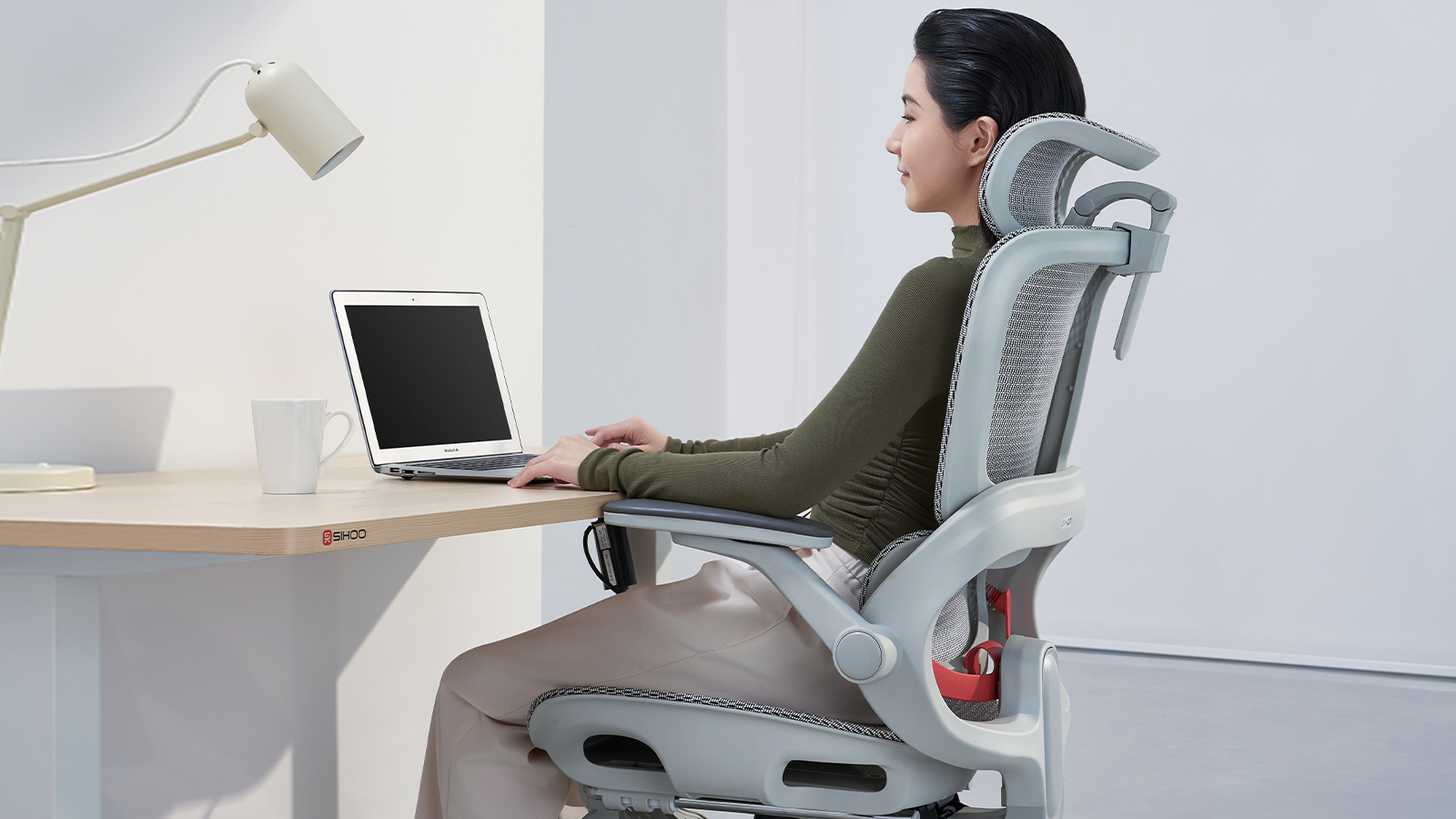
Practicing proper sitting posture supports your body’s natural alignment and reduces unnecessary strain. This simple practice can transform your daily comfort and long-term health. Maintaining good posture helps prevent muscle fatigue and joint pain, especially if you spend long hours at a desk. Studies show that employees who focus on posture and use ergonomic setups report a 21% increase in productivity. Even a few minutes of posture-focused exercises daily can result in 24% less pain and a 15% improvement in concentration.
You will notice several health and comfort benefits:
Ignoring posture can lead to serious health problems over time. Poor sitting habits place stress on your spine and muscles, which can cause chronic pain and fatigue. Research links prolonged sitting and poor posture to musculoskeletal disorders, especially in the neck, shoulders, and lower back.
| Health Issue | Описание |
|---|---|
| Vascular problems | Blood and fluid can pool in your legs, raising the risk of deep vein thrombosis (DVT). |
| Lower back pain and spine issues | Poor posture stresses your spine, leading to pain and muscle fatigue. |
| Heart disease | Long sitting affects blood flow and increases the risk of heart problems. |
| Weight gain and obesity | Sitting too much can lead to weight gain and unhealthy habits. |
| Cancer | Sedentary lifestyles are linked to higher cancer risk, similar to other major risk factors. |
You can protect your health and boost your productivity by making posture a daily priority.
Achieving proper sitting posture involves more than just sitting up straight. It requires adjusting both your environment and habits to support your body’s natural alignment. Follow these steps to create a healthier, more comfortable workspace.
Start by selecting a chair that offers adjustable features. Adjust the seat height until your feet rest flat on the floor. Make sure the backrest supports the natural curve of your spine, especially your lower back. Use the lumbar support feature to maintain this curve and prevent slouching. Adjust the armrests so your shoulders stay relaxed and your elbows rest comfortably at your sides.
Tip: A chair with a flexible backrest and adjustable lumbar support helps you maintain proper sitting posture throughout the day. Look for a seat with a waterfall edge to reduce pressure on your thighs and promote healthy circulation.
| Характеристика | Importance |
|---|---|
| Adjustable Seat Height | Keeps feet flat, improves circulation, prevents leg fatigue |
| Поясничная поддержка | Maintains spine’s natural curve, reduces lower back pain |
| Seat Depth and Width | Ensures thighs are supported, prevents discomfort |
| Backrest Adjustability | Supports posture changes, reduces muscle strain |
| Adjustable Armrests | Relieves shoulder tension, supports various arm positions |
| Breathable Material | Enhances comfort during long sitting periods |
| Swivel and Mobility | Allows easy movement, prevents strain when reaching or turning |
Proper sitting posture starts from the ground up. Place your feet flat on the floor or on a stable footrest. Your knees should bend at a 90-degree angle, with your thighs parallel to the floor. Keep your knees at or slightly below hip level to distribute your body weight evenly and maintain a natural spinal curve.
Research shows that improper foot positioning can lead to discomfort and poor circulation, affecting not only your legs but also your back, shoulders, and neck. Addressing foot placement can relieve issues that many people do not realize are linked to their feet.
Position your monitor directly in front of you, with the top of the screen at or slightly below eye level. Your eyes should align with a point about 2-3 inches below the top of the monitor. This setup keeps your neck and shoulders relaxed and prevents you from leaning forward or looking down.
| Evidence | Описание |
|---|---|
| Neck Position | Poor screen height increases cervical spine loading, leading to neck pain and muscle fatigue. |
| Keyboard Position | High keyboard placement forces shoulder elevation, increasing muscle activity and discomfort. |
| Muscle Fatigue | Overuse of neck and shoulder muscles can cause localized fatigue and myofascial pain. |
Note: A poorly set-up workstation can lead to neck or back pain. Over 65% of remote workers report such issues due to improper screen and desk positioning.
Ergonomic chairs are designed with features that support proper sitting posture and reduce fatigue.These chairs offer adjustable lumbar support, flexible backrests, and seat depth customization to fit your body. They use breathable materials to keep you comfortable during long hours of sitting.
| Характеристика | Выгода |
|---|---|
| Self-adaptive lumbar support | Provides continuous, targeted support to the lower back, reducing fatigue and discomfort. |
| Flexible backrest | Moves with you, maintaining alignment and reducing strain on the spine and neck. |
| Waterfall-shaped seat | Reduces thigh pressure, promotes circulation, enhances overall comfort. |
Ergonomic interventions, such as the use of specialized chairs, have been shown to reduce absenteeism, error rates, and lost workdays while improving both comfort and productivity.
Many people make simple mistakes that undermine proper sitting posture:
Quick fixes can help you correct these habits:
Tip: Listen to your body. If you feel discomfort, adjust your position or take a short walk. Regular movement and posture checks help you maintain proper sitting posture throughout the day.
By following these steps and making small adjustments, you can achieve proper sitting posture in any environment. This approach supports your health, comfort, and productivity every day.
You can improve your posture by following simple steps and choosing ergonomic seating. Many users report:
Start today. Consistent posture habits and ergonomic support help you feel better, work smarter, and stay energized.