¡Bienvenido al blog oficial de Sihoo! Aquí, nuestro objetivo es ofrecer información valiosa, novedades del sector y opiniones de expertos sobre muebles ergonómicos. Como empresa centrada en el bienestar humano y la tecnología ergonómica, nos comprometemos a compartir nuestros conocimientos y experiencia para empoderar e informar a nuestros lectores.
The Ultimate Guide to Lumbar Support Office Chairs: Dynamic vs. Mechanical vs. Fixed
Why Your Lumbar Support Office Chair Choice Matters
If you’re shopping for a lumbar support office chair, you’ve probably noticed three main types: dynamic adaptive, mechanical adjustable, and fixed support. But which one actually works — and for whom?
In today’s desk-bound work culture, sitting for hours isn’t just common — it’s practically a job requirement. And it’s taking a toll. Studies from the International Society for Orthopaedic and Spine Research show that more than 60% of desk workers battle lower back pain — some of it chronic. When you sit, your lumbar spine bears 1.4 to 1.8 times your body weight — and without proper support, that pressure becomes uneven, flattening your spine’s natural curve, straining muscles, and increasing the risk of disc herniation.
Among all office chair features, lumbar support is the make-or-break factor for comfort and long-term spinal health. But not all support is created equal. Let’s break down the three dominant types — dynamic, mechanical, and fixed — so you can pick the right lumbar support office chair for your body, your work style, and your budget.
1. The Science Behind Lumbar Support
Your Spine’s Natural Curve — and Why It Matters
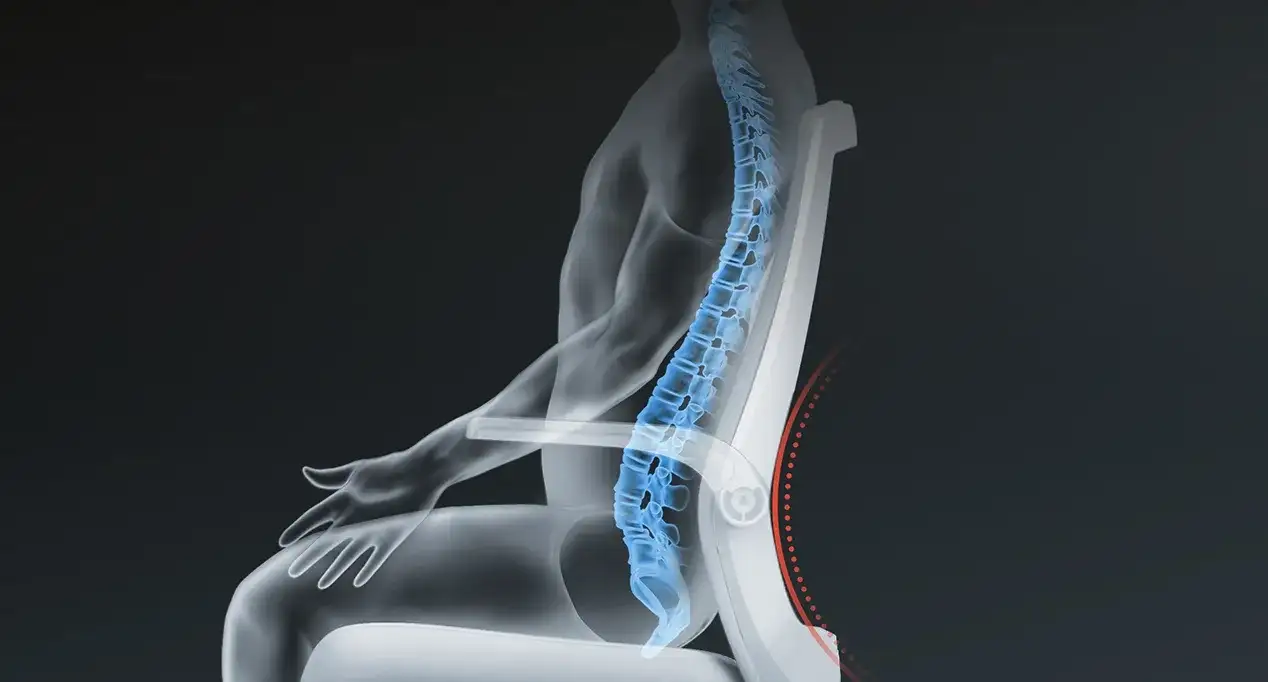
Your spine isn’t straight — it’s designed with gentle S-shaped curves, including a forward bend in the lower back called lumbar lordosis. This curve helps distribute weight evenly and reduces stress on your discs.
But when you slump in your chair — hips tilted back, core muscles disengaged — that curve disappears. Research shows:
If lumbar lordosis drops by more than 15°, disc pressure spikes significantly.
Over time, this can lead to disc bulging, nerve compression, and radiating pain down the legs.
What Great Lumbar Support Actually Does
Supports — Matches your spine’s curve to offload pressure (think: “adjustable lumbar” or “dynamic contouring”).
Cushions — Absorbs micro-movements and impact to reduce muscle fatigue.
Corrects — Gently nudges you back into alignment — the hallmark of a true “posture-correcting chair.”
2. Dynamic Adaptive Lumbar Support — The Smartest Choice for Active Sitters
How It Works
These chairs use intelligent materials and segmented structures to respond to your movements:
Flexible back frames made of high-resilience polymers or tensioned mesh adapt to your posture.
Zoned support panels in the mid-back shift subtly as you lean or recline.
Pressure-responsive materials mold to your unique spine shape — no manual tweaking needed.
Why It Shines
Perfect contouring: Studies show 30%+ better contact with the L3–L5 vertebrae.
Effortless posture support: Whether you’re typing forward or lounging back, your curve stays intact — ideal for “all-day sitting chairs.”
Universal fit: Great for people who shift positions constantly — programmers, designers, and other creatives benefit most from dynamic contouring that moves with them.
Potential sagging: Lightweight designs may lose firmness over time — look for “anti-collapse” certifications.
Maintenance needs: Elastic materials degrade; check for wear every 12–18 months.
Best For
People sitting 8+ hours/day — if you sit long hours, dynamic adaptive is your best bet.
Jobs requiring constant posture shifts.
Anyone with mild chronic back strain — a true “back pain relief chair.”
Real-World Pick: The M59DSA-301 uses zoned mesh and dynamic lumbar tech to redistribute pressure as you move. It’s among the smartest lumbar support office chairs on the market — perfect for deep-focus roles in R&D or design.
3. Mechanical Adjustable Lumbar — Precision Support for Static Sitters
How It Works
This type relies on knobs, levers, and tracks to let you customize support:
Height adjustment: Slide the lumbar pad up/down to match your spine — especially helpful for tall or short users who struggle with one-size-fits-all chairs.
Depth control: Crank it forward or back for more (or less) lower-back push.
Tension dials (on premium models): Fine-tune how firm the support feels.
Why It Shines
Tailored fit: Dial in the exact position and pressure for your body — the essence of “adjustable lumbar.”
Rock-solid stability: Once set, it stays put — great for focused, motionless tasks.
Companies balancing budget and employee wellness — a smart “budget lumbar chair” with benefits. Most budget lumbar support office chairs under $200 use mechanical or fixed systems — ideal for value-focused buyers.
Real-World Pick: The M76-B126 offers mechanical height adjustment to fit diverse body types. A classic “ergonomic back chair,” it’s ideal for finance, admin, or lab teams buying in bulk.
4. Fixed Lumbar Support — Simple, Sturdy, Budget-Friendly
How It Works
No knobs. No sliders. Just a built-in curve or cushion:
Molded lumbar hump: Integrated into the chair’s backrest.
Detachable lumbar pillow: Usually foam or PU-filled — your basic “fixed lumbar pad.”
Why It Shines
Zero maintenance: No moving parts to break.
Low cost: Typically 40% cheaper than adjustable models — the go-to “budget lumbar chair.” Most budget lumbar support office chairs under $200 use fixed support — great for occasional use or guest seating.
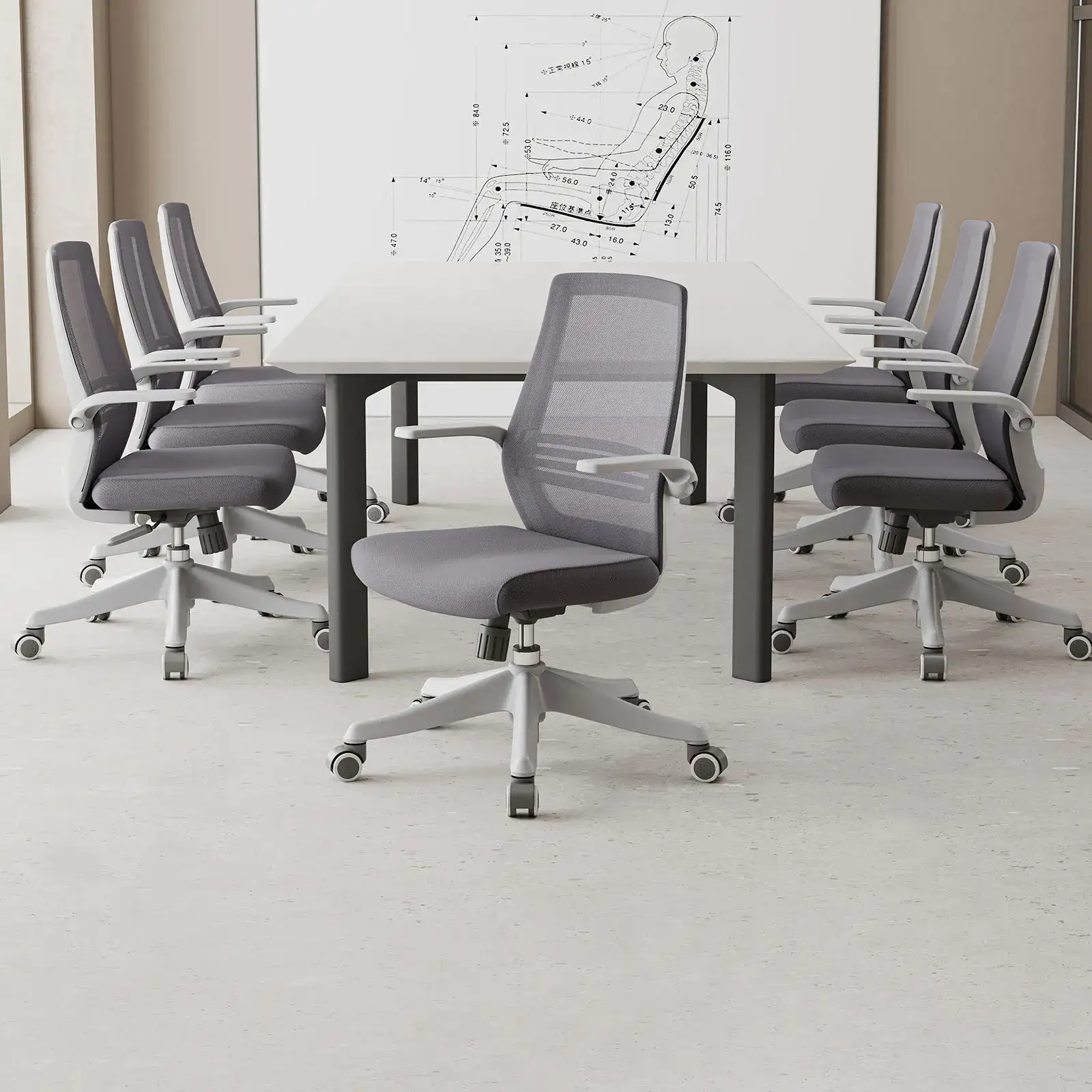
Built to last: Perfect for high-traffic zones like meeting rooms, training areas, or home office guest chairs.
Keep in Mind
One-size-fits-none: Won’t adapt to different heights or spinal shapes.
Pressure points: Can feel “poke-y” if it doesn’t line up with your curve.
Not for marathons: Comfort fades after 4 hours — avoid for “long-sitting chair” roles.
Real-World Pick: Entry-level chairs with “fixed lumbar pads” are rugged and simple — ideal for conference room chairs or hot-desking areas. Not luxurious, but they handle heavy rotation like champs.
5. Side-by-Side Comparison
Característica
Dynamic Adaptive
Mechanical Adjustable
Fixed Support
Contour Fit
★★★★★
★★★★☆
★★☆☆☆
Flexibility
★★★★★
★★★☆☆
★☆☆☆☆
Cost
High (+30–50%)
Medium (+15–25%)
__OPENROUTER_FAILED__
Durability
Medium
Medium-High
Alto
User Fit
Broad (all body types)
Good (if adjusted)
Narrow
Pain Relief
Excellent (long-term)
Good (with adjustment)
Fair (short-term only)
6. How to Pick the Right Chair for You
By Daily Use Time
8+ hours/day → Go dynamic (e.g., M59DSA-301) — the ultimate “lumbar pain chair” and best lumbar support office chair for back pain sufferers.
Execs / R&D / Design → Dynamic chairs (M59DSA-301) — boost focus and retention. Premium “executive lumbar seats” for home office or corporate use.
Admin / Finance / Ops → Mechanical (M76-B126) — smart “office chair lumbar” for the masses.
Meeting rooms / Lobbies → Fixed support — durable, affordable, perfect for “fixed lumbar pad” zones like conference room chairs or guest seating.
Final Verdict: The Right Chair = Smarter Work + Healthier Back
It’s not about the most expensive chair — it’s about matching the chair to your body, your work style, and your budget.
Dynamic adaptive = Best for all-day comfort and sensitive spines. The gold standard “long-sitting chair.”
Mechanical adjustable = Best blend of personalization and reliability. Your go-to “adjustable lumbar” solution.
Fixed support = Best for cost control and short sits. The practical “budget lumbar chair.”
For real back pain relief, the priority order is clear: Dynamic > Mechanical > Fixed
But remember — no chair is magic. Pair it with good posture, regular movement, and core strengthening for lasting spinal health.
Top Picks Recap:
M59DSA-301: Peak “dynamic lumbar” tech. A smart, responsive lumbar support office chair for power users.
M76-B126: Precision “adjustable lumbar” at scale. A workhorse “ergonomic back chair” for teams.
Fixed Support Models: Simple, sturdy, and budget-smart — ideal for “fixed lumbar pad” hotspots like conference room chairs or home office guest seating.
Whether you’re buying one chair or outfitting a whole floor, choose wisely. The right lumbar support office chair isn’t just furniture — it’s an investment in productivity, comfort, and long-term well-being.