 Spanish (Argentina)
Spanish (Argentina)
Spanish (Argentina)In today’s world of remote work and nonstop video meetings, your office chair is far more than just a place to sit—it’s a long-term investment in both productivity and physical well-being. That’s why more people are searching for specialized solutions like ergonomic chairs for back pain, the best office chairs for tall people, and mesh office chairs with headrests.
Among these features, the headrest has become a signature of mid-to-high-end models—often adding $50 to $200 to the price. But is that premium truly worth it?
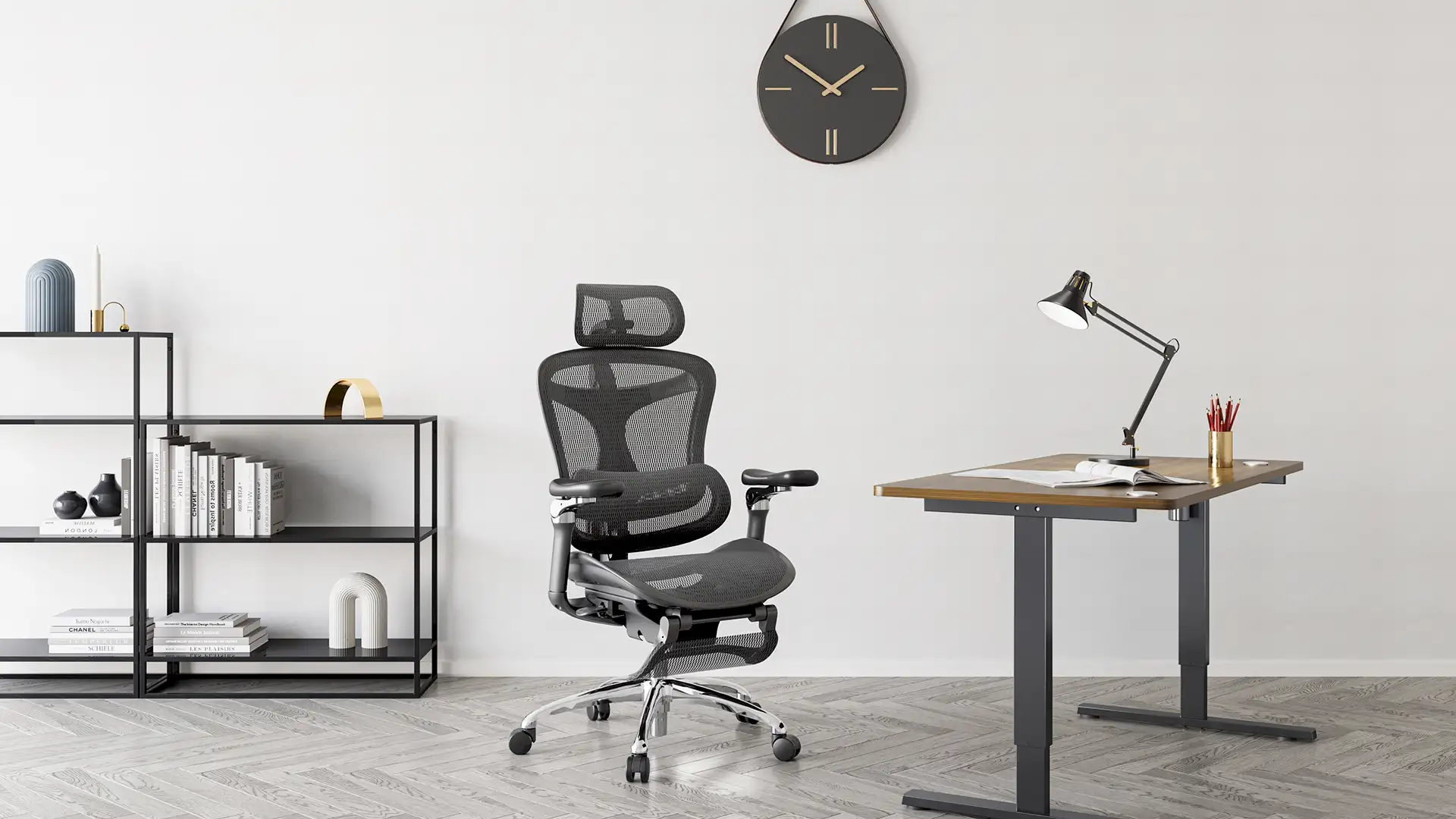
Not every chair labeled “with headrest” delivers actual ergonomic value. The difference lies in whether the headrest offers dynamic adjustability and intelligent integration—or is simply decorative.
According to standards from the International Ergonomics Association (IEA), a truly effective ergonomic office chair with headrest should include:
In contrast, many budget models feature rigid, fixed headrests that look sleek but provide zero functional neck support—making them little more than visual flair.
A common dilemma: “Should I choose a mesh or leather office chair with headrest?”
Regardless of material, the key is whether the headrest moves with your posture—especially when you lean back in a swivel office chair with arms—to keep your neck in a relaxed, neutral position.
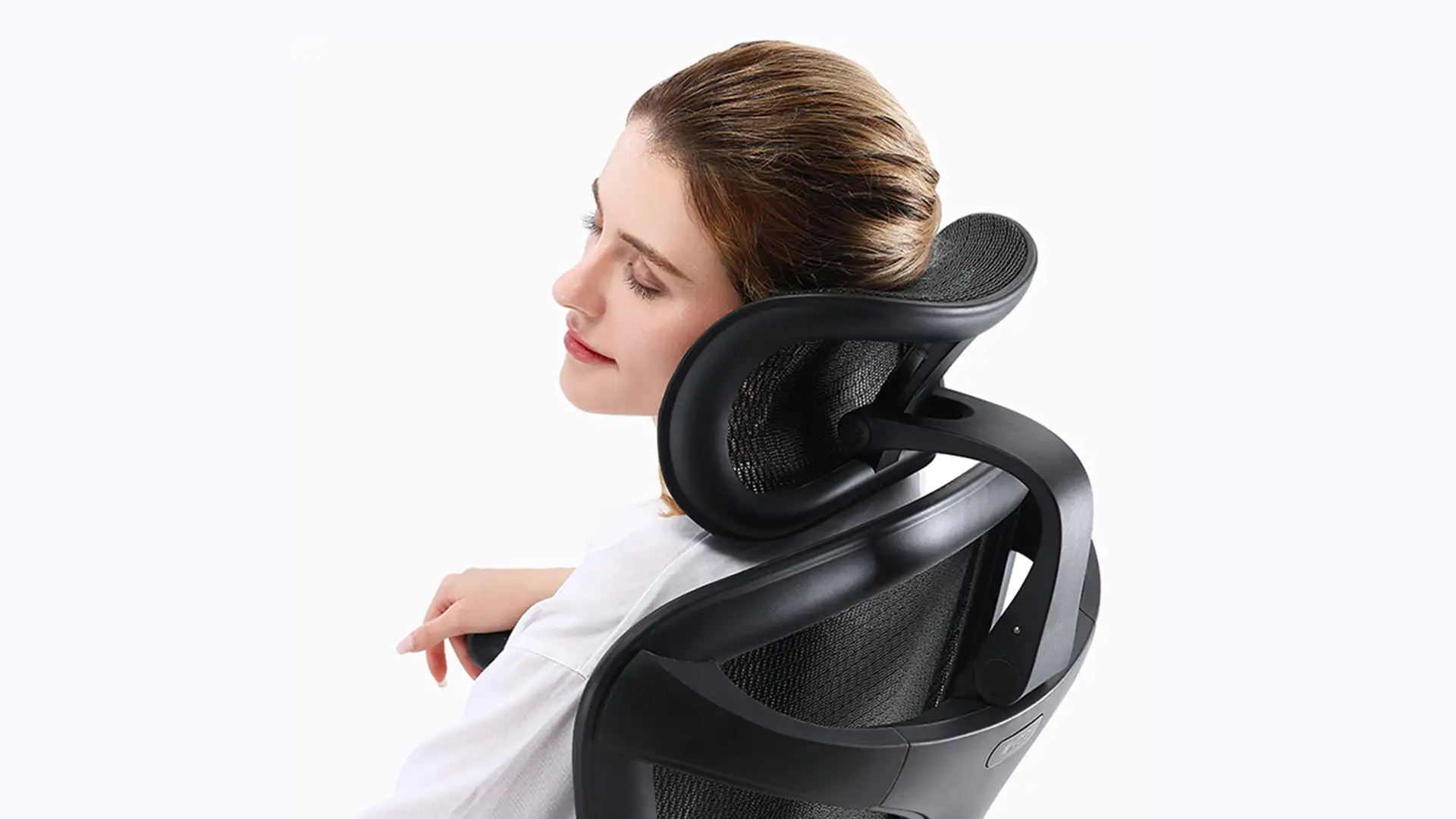
A headrest isn’t universally necessary. Whether it’s worth the splurge depends entirely on your body, habits, and health.
Research from The Spine Journal shows that properly used office chairs with neck support can reduce cervical spine load by over 40%, significantly reducing fatigue in the trapezius muscles.
Many confuse lumbar and neck support needs. Here’s the key:
Try this: Lean back to about 110 degrees. If there’s more than 3 inches (8 cm) of space between your head and the chair back, an adjustable headrest office chair is worth serious consideration.
That $50–$200 headrest upgrade might seem steep—but it can pay off over years of use.
| YOUR PRIORITY | RECOMMENDED FEATURES | PRICE RANGE |
| Back pain relief | Ergonomic chair + dynamic lumbar support | $250–$400 |
| Usuarios altos | High-back + adjustable headrest | $300–$450 |
| All-day comfort | Mesh + headrest + lumbar + armrests | $280–$420 |
| Home office | Mesh office chair with headrest and arms | $220–$350 |
More shoppers are choosing to buy ergonomic office chairs online, but smart buyers:
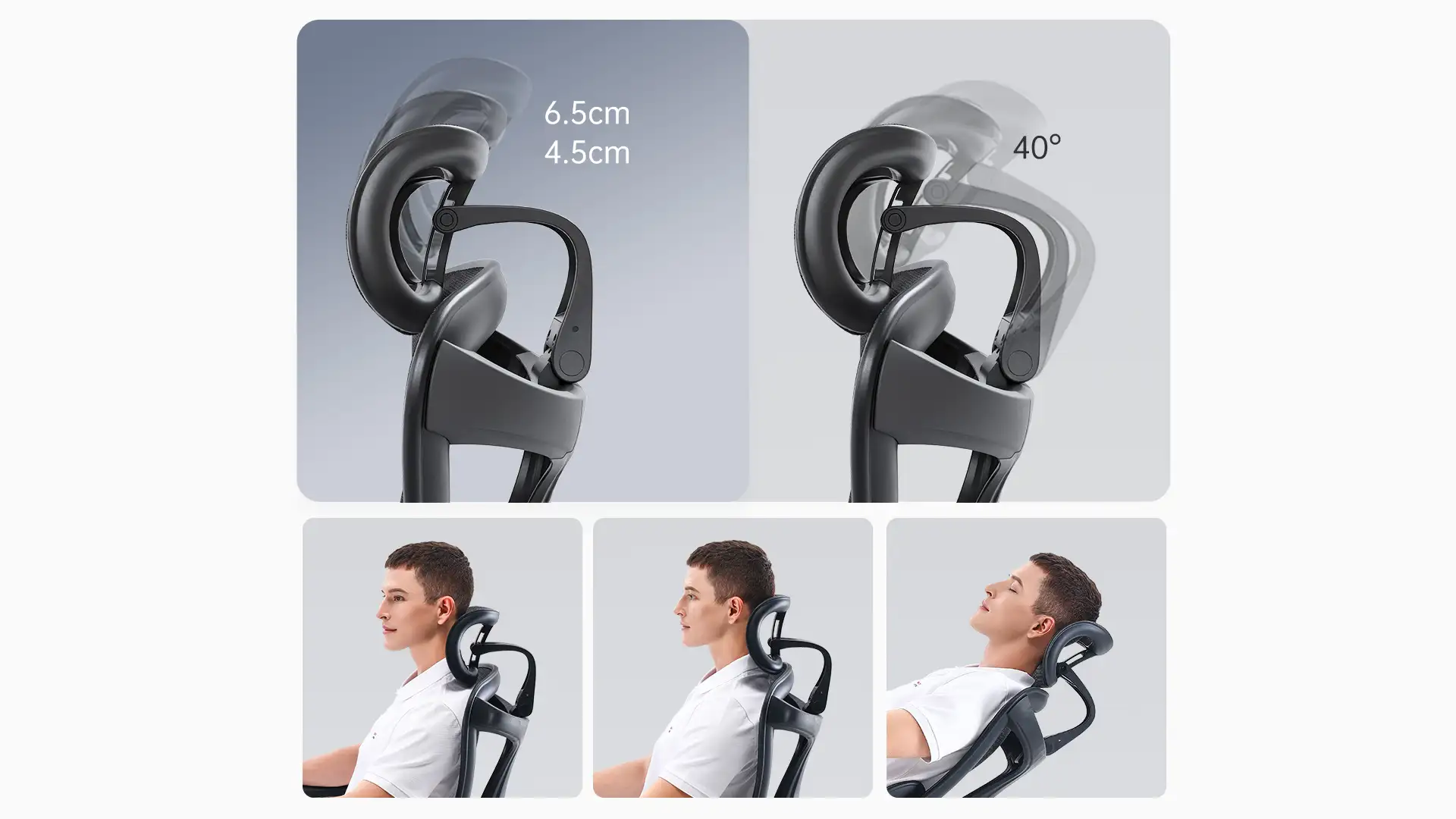
To ensure you’re getting a truly functional ergonomic office chair with headrest, verify:
✅ Can you adjust height and angle independently?
✅ Does it follow your head as you recline—not stay locked in place?
✅ Does it work with lumbar support? (Yes—you almost always need it.)
✅ Does the material balance support and breathability? (Mesh vs. leather: both have pros and cons.)
✅ Is there a 30-day comfort guarantee? (Because fit is personal—don’t guess!)
Pro tip: A quality mesh office chair with headrest should include high-density padding in the headrest area. Otherwise, it’s just mesh over a frame—stylish, but not supportive.
So, is an office chair with headrest worth the extra cost? Only if it matches your needs.
No matter your choice—mesh or leather, basic or premium—the real question is:
Does it adapt to *your* body? Does it support *your* work style?
Before you hit “Buy Now” on that ergonomic office chair online, get clear on what you need. Because the best chair isn’t the most expensive one—it’s the one that understands you.